
Stop Losing 20–30% on Cleaning
Most operators uncover 3–5 hidden operational leaks within minutes.
You’re not overpaying for cleaning.
You’re losing margin inside the operation.

AS SEEN IN


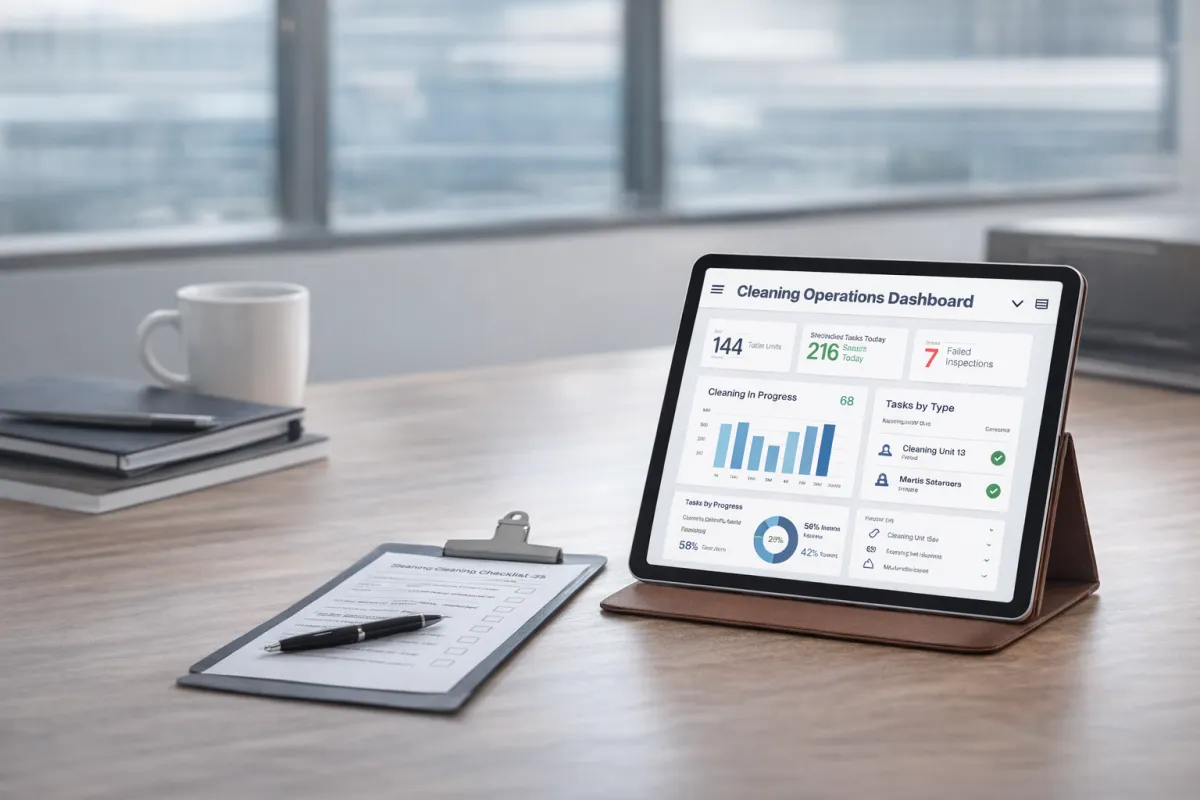


Built for Operators Managing Complex Property Portfolios
20–30% of that spend
is not producing results.
If you’re managing a multi-unit portfolio, your cleaning costs probably feel… normal.
The units get turned.
Complaints are manageable.
And things mostly “work.”
But inside those operations…
That’s where the margin is leaking.
Where it’s lost:
Re-cleans and missed details
Inefficient labor and overstaffing
Emergency vendor coverage
No standardized systems
No performance visibility
That money isn’t being spent on cleaning.
It’s being lost in how the operation is structured.
When Cleaning Operations Break —
Margin Disappears
And most operators don’t realize where it’s breaking.
When cleaning breaks, it doesn’t stay contained.
It spreads.
We Don’t Just Improve Cleaning Vendors.
We Don’t Fix Vendors.
We Fix the System That Controls Them.
Switching vendors doesn’t solve the problem.
Without structure, the same issues repeat — just with a different company.
We build the infrastructure that creates consistency, accountability, and control across your entire operation.
Commercial Offices
Student Housing
Corporate Housing
Resorts
Timeshares
Short-Term Rental Portfolios
The Property Manager Model Is Breaking
The Integrated Hospitality Operator Is Replacing It
The difference isn’t effort.
It’s structure.
This is what separates scalable portfolios from fragile ones.
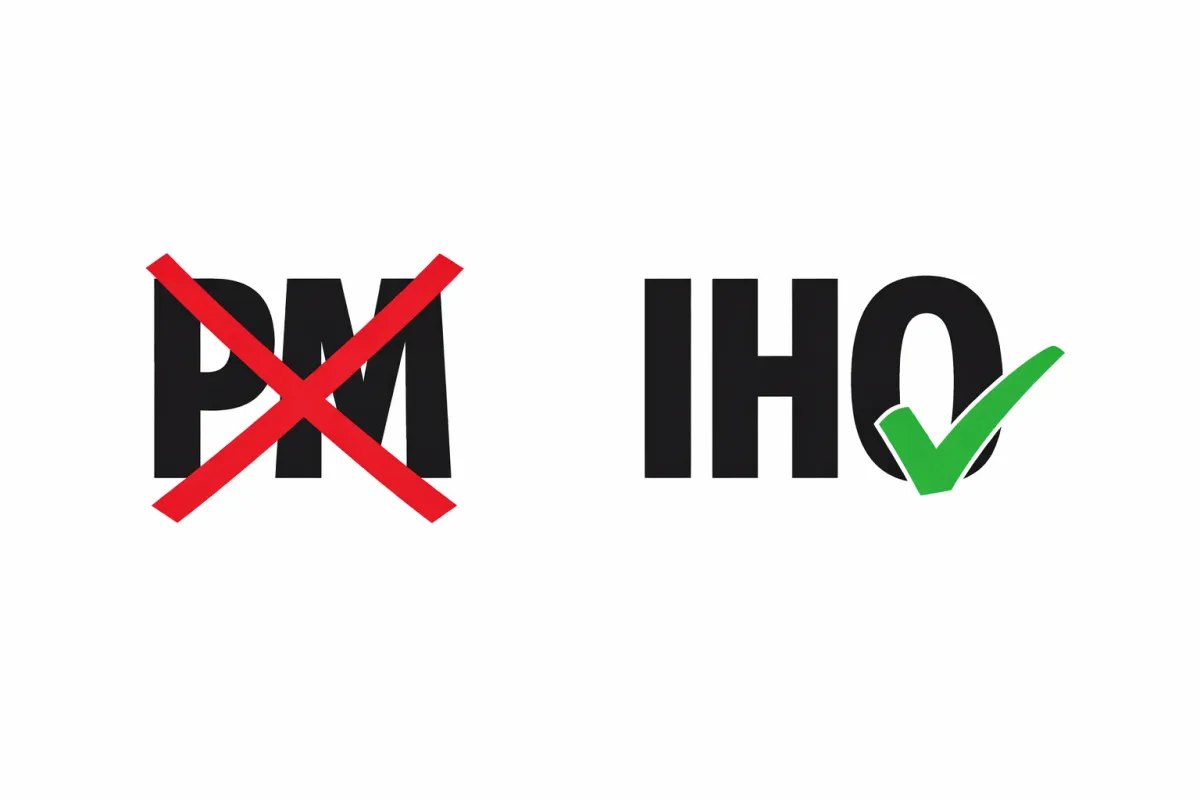
Traditional property managers coordinate vendors.
Integrated Hospitality Operators control operations.
Leading portfolios are shifting toward internal operational infrastructure; where cleaning, staffing systems, quality control, and turnover performance are managed as a core operational pillar, not outsourced coordination.
This shift is what separates unstable portfolios from scalable ones.
Most operators discover 3–5 hidden operational risks in their portfolio.
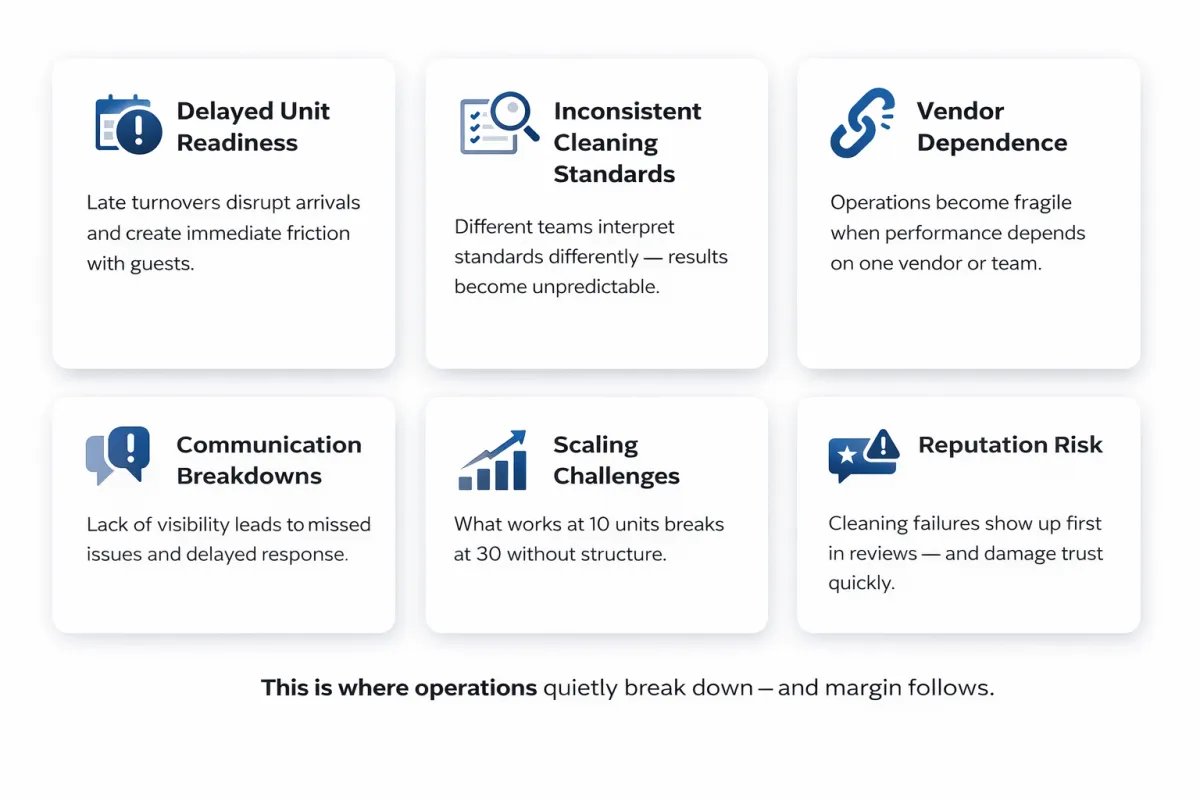
The Cost of Fragmented Operations
This is where margin quietly disappears.
Cleaning Chaos
Unpredictable standards that damage brand reputation.
Vendor Dependency
Relying on third parties who do not share your core standard of care.
Ops Fragility
Systems that break down the moment volume increases.
Review Risk
Inconsistent guest experiences leading to volatile ratings.
How Dependent Is Your Operation on Cleaning Vendors?
Most operators don’t realize how exposed they are until something breaks.
Do you rely on a single cleaning vendor for most turnovers?
Would turnovers fail if your current vendor stopped working tomorrow?
Do you have limited visibility into how turnovers are performed?
Have you received guest complaints tied to cleaning quality?
Plug-and-Play Operational Infrastructure
What Actually Changes When You Install Structure
Install a Controlled Cleaning Operation in 60 Days
From vendor dependency → to operational control
Phase 1 (Days 1-20)
Diagnostic & Strategy
Phase 2 (Days 21-40)
System Installation (Hiring & SOPs)
Phase 3 (Days 41-60)
Infrastructure Launch & Scaling
Who This Is Actually For
Operators who are tired of cleaning instability, last-minute issues, and unpredictable performance.
Property Managers with 10–500 Units
Operators facing vendor instability or turnover chaos
Scalable portfolios requiring enforceable operational standards
Eliminate "Last-Minute" Heroics
Shift from hoping a vendor shows up to owning a guaranteed schedule. Our infrastructure ensures every property is guest-ready by check-in, every single time.

Real-Time Property Intelligence
Stop managing in the dark. Gain full transparency into time-on-site, cleaning standards, and maintenance alerts through integrated reporting and tech partnerships

Recapture Lost Revenue
By eliminating the "vendor markup" and building your own internal division, you stop margin erosion and turn a major expense into a profit center

A New Revenue Stream
Once your infrastructure is installed, your cleaning division becomes a sellable asset. You can scale your own portfolio or generate revenue by serving other operators in your market
An Ecosystem Built for Scale
Kedziora Business Growth integrates with the leading hospitality technology platforms to ensure your operations are seamless from booking to turnover.

Case Study
Ariaan – Property Manager Success Story
Built an internal cleaning division in just 60 days using the KBG Framework.
Vendor dependency eliminated
20% margin increase
Our Operating Principle
Cleaning is not a vendor relationship. It is an operational pillar. If turnovers fail, everything fails.
A Shift Happening in Property Management
Forward-thinking operators are building internal infrastructure to control timelines, staff training, and property readiness.
Cleaning transitions from a vendor cost to an operational asset.
Why Now Is the Time to Bring Your Cleaning In-House
The system is built. The team is trained and running it live in client accounts today. When you onboard now, you are not waiting on anything to be invented — your core values, your pricing, your hiring system, and your admin support are installed into a machine that is already running.
The system is finished. The pricing system, the hiring system, the 200-point inspection standard, the recorded virtual walkthroughs, the admin systems — all of it is built, tested, and running in real vacation rental operations right now.
The team is in place. Our admin team works inside our clients' accounts every day. When you onboard, that team starts behind you from day one — you are plugging into a running operation, not building one from zero.
Kerri-Anne still does the foundation work herself. Every new client starts with her personally — your core values session and your Pricing for Profit workshop. Her onboarding calendar is limited by her own hours; the operators who get in get her time.
Waiting has a price tag. Broken cleaning operations and outside vendors quietly cost most operators 20–30% — out of every clean, every month. Onboarding now means the system is working before your next busy season, not scrambled together during it.
If cleaning is the part of your business that costs you money, sleep, and five-star reviews, now is the time to fix it.
Find Where Your Operation Is Leaking Margin
We’ll map where inefficiencies, vendor dependency, and structural gaps are costing you — and what it takes to fix them.
Frequently Asked Questions
How much margin do vacation rental managers lose to cleaning operations?
Most operators lose 20–30% of their cleaning spend to re-cleans, inefficient labor, emergency vendor coverage, and lack of standardized systems. It's not a pricing problem — it's a structure problem.
What is an Integrated Hospitality Operator (IHO)?
An Integrated Hospitality Operator is a property manager who internalizes and systemizes turnover operations, treating cleaning and preparation as a core operational function — not an outsourced task. IHOs run structured internal cleaning teams with standardized procedures instead of relying on third-party vendors.
What are the 5 pillars of the IHO model?
The five pillars are: 1) Cleaning Operations — standardized turnovers, quality control, inspection systems; 2) Scheduling & Logistics — turnover coordination, calendar integration, operational timing; 3) Staff & Team Development — training systems, performance standards, retention frameworks; 4) Guest Experience — arrival readiness, consistency of standards, five-star expectations; 5) Operational Systems — checklists and SOPs, accountability systems, scalable workflows.
How long does it take to install a controlled cleaning operation?
60 days, in three phases: Diagnostic and Strategy (days 1–20), System Installation including hiring and SOPs (days 21–40), and Infrastructure Launch and Scaling (days 41–60).
Should I switch cleaning vendors or fix the system?
Switching vendors doesn't solve the problem — without structure, the same issues repeat with a different company. The fix is building the infrastructure that creates consistency, accountability, and control across your operation.
Who is the IHO model for?
Operators managing multi-unit portfolios — short-term rental portfolios, resorts, timeshares, corporate housing, student housing, and commercial offices — who are tired of cleaning instability, last-minute issues, and unpredictable performance.